Discovering America's History at the National Ballpark Museum
The National Ballpark Museum gives a distinctive view into America's baseball legacy. Through its collection of memorabilia and displays, visitors can explore the sport's evolution alongside societal shifts. Iconic jerseys and uncommon pictures share stories of legends and their influence on the game. As families interact with interactive displays, they discover how baseball remains intertwined with American culture. What revelations might this museum reveal about the future of the sport?
The Notable History of Baseball in America
Baseball, widely recognized as America's beloved pastime, has a vibrant history that helps define the cultural character of the nation. Materializing in the nineteenth century, the sport promptly captured attention, displaying the cultural dynamics and regional characteristics of the moment. The development of established competitive organizations transformed baseball into a essential element of American entertainment, with the National League forming in 1876 and the American League following in 1901.
Major events, such as the inclusion of baseball in 1947 with Jackie Robinson, represented substantial social shifts, questioning societal norms and advancing civil rights. The game has also witnessed legendary figures, from Babe Ruth to Hank Aaron, whose impacts echo beyond the diamond. Historic ballparks have hosted countless memorable moments, creating a communal experience for fans. Overall, baseball serves as a reflection of American history, encapsulating triumphs, struggles, and the lasting spirit of a nation bound by its love for the game.
Historic Baseball Memorabilia You Can't Overlook
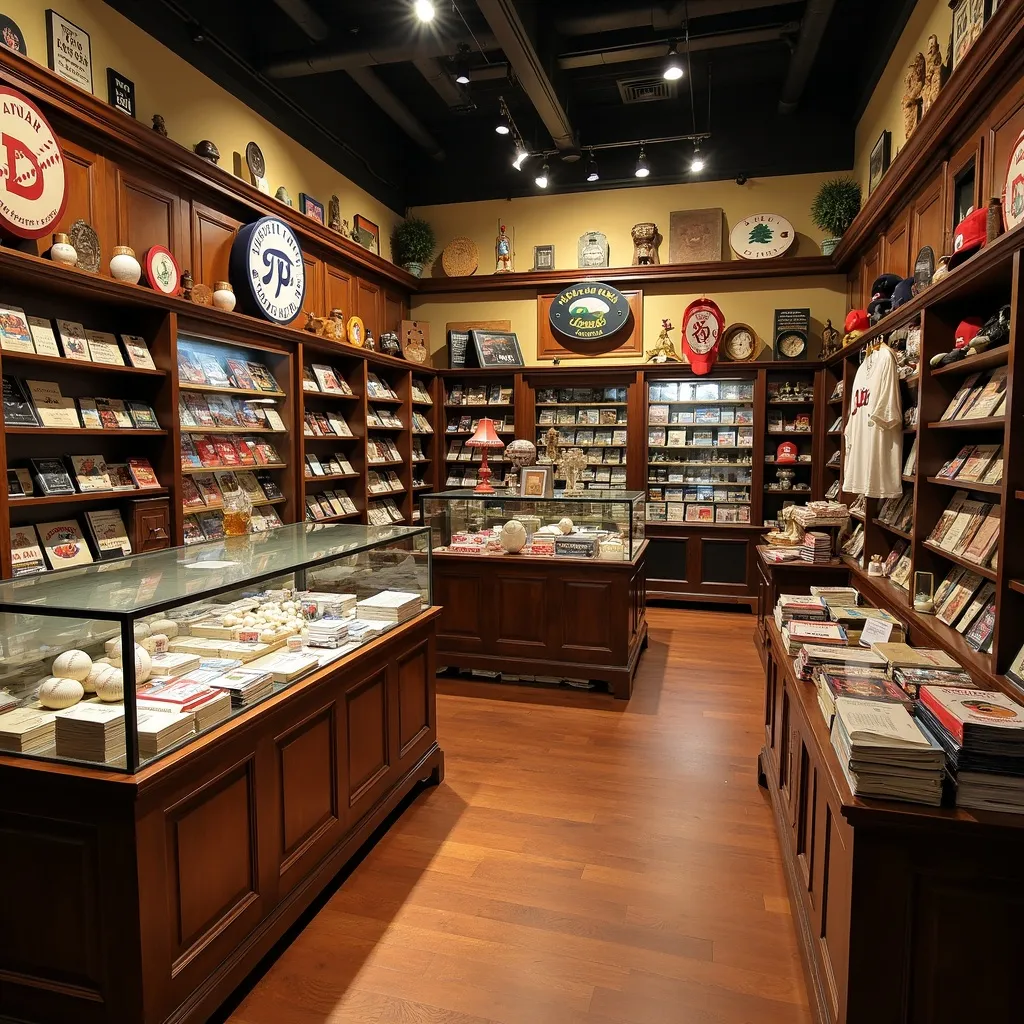
While memories of memorable contests and historic occasions linger in the hearts of fans, significant baseball keepsakes operates as physical ties to the sport's rich heritage. The National Ballpark Museum houses an impressive collection, featuring items that convey the nature of baseball's antiquity. Visitors can admire at classic garments worn by Hall of Famers, each thread narrating a story of accomplishment and fortitude. Signed spheres, preserved in glass cases, offer glimpses into direct relationships between players and fans, while scarce prints immortalize pivotal moments in baseball history.
Among the standout pieces are championship rings, National Ballpark Museum map denoting the apex of achievement, and period game tickets that transport onlookers back to remarkable contests. Each relic cultivates introspection and esteem for the sport's evolution. This carefully assembled collection not only illustrates the game's milestones but also conjures nostalgic emotions, reminding enjoyers of the abiding heritage of America's pastime.
Encounter the Legends: The Way the Museum Highlights Baseball Icons
The homage to baseball icons fills the environment of the National Ballpark Museum, where visitors are encouraged to explore the lives and achievements of the sport's most iconic figures. The museum showcases engaging exhibits that highlight the careers of baseball greats, offering artifacts, photographs, and interactive displays that bring their stories to life. Each section is meticulously curated to reflect the unique contributions of players such as Babe Ruth, Jackie Robinson, and Hank Aaron, showcasing their impact both on and off the field.
The museum also presents special events and guest speakers, allowing fans to hear firsthand accounts and insights from former players and historians. This dedication to honoring baseball icons strengthens a deep connection between visitors and the legends who formed the game. Through its immersive environment, the National Ballpark Museum ensures that the legacy of these players serves to inspire future generations of baseball enthusiasts.
Discover How Baseball Stadiums Have Evolved
Over the decades, baseball's stadiums have shifted substantially to meet the evolving needs of fans and players alike. Traditional ballparks were uncomplicated, with wooden bleachers and minimal amenities, chiefly intended for the game itself. As the sport expanded in popularity, however, stadiums began to integrate additional features, such as better seating, concessions, and restrooms, elevating the overall experience.
The introduction of modern technology led to significant advancements, including video scoreboards and enhanced audio technology. Architecturally, stadiums transformed from the traditional, balanced layouts to increasingly distinctive, spectator-focused configurations, establishing engaging spaces that reflect local culture. The rise of corporate sponsorships also influenced design, with premium suites and premium seating becoming standard. Today, stadiums are multi-functional venues, hosting shows and activities beyond baseball, demonstrating their flexibility and significance in American culture. This evolution illustrates not just a game, but a vibrant community hub.
Family-Friendly-Activities at the National Ballpark Museum
The National Ballpark Museum delivers a range of family-friendly activities that honor the rich history of baseball and its iconic stadiums. Families can enjoy immersive displays that urge children to participate with the sport's history through direct engagement. A scavenger hunt throughout the museum drives young visitors to search artifacts and gain knowledge of iconic athletes and remarkable instances.
Moreover, the museum conducts learning programs where children can practice their baseball skills, understand the science of the game, and take part in storytelling sessions about famous teams and their achievements. Notable occasions, such as family days, often showcase guest speakers from the baseball community, offering a personal touch to the experience. With its engaging atmosphere and diverse activities, the National Ballpark Museum cultivates a love for baseball, making it an ideal location for families looking to bond over America's favorite pastime.
Arrange Your Trip to the National Ballpark Museum
Thinking about how to make the most of a visit to the National Ballpark Museum? Guests are encouraged to review the museum's official website for present hours and admission fees before planning their trip. Located in Denver, Colorado, the museum is easily accessible via public transportation and offers adjacent parking options. It is recommended to dedicate at least two hours to explore the extensive exhibits, which showcase baseball history and memorabilia.
For those seeking a curated visit, the museum delivers informative tours that delve deeper into the artifacts. Families can appreciate participatory installations, making it a memorable outing for all ages. Additionally, guests should think about scheduling their arrival to align with unique gatherings or new collections for an better experience. Finally, the museum shop provides unique souvenirs for admirers to take home, ensuring that the visit makes a enduring memory.
Commonly Sought Questions
When Is the Museum's Hours of Service?
The museum runs from 10 AM to 5 PM, Tuesday through Sunday. It remains closed on Mondays, letting staff to upkeep displays and prepare for the next day's guests passionate to explore its offerings.
Does the Museum Require an Admission Fee?
The museum requires a modest admission fee for entry. Visitors can explore a rich collection of historical exhibits and artifacts, bolstering their insight of the sport's influence on American culture and history.
Are there guided tours provided at the Museum?
Guided tours are available at the museum, providing guests with an in-depth experience. Expert guides discuss perspectives and anecdotes about the exhibits, enriching the appreciation of baseball history and its cultural significance.
Is it Possible to Acquire Keepsakes at the Museum?
You can buy souvenirs at the gallery. Guests will find a selection of souvenirs, such as wearables, collectibles, and themed goods, permitting them to get a piece of the experience from their time there.
Are Museum Facilities Wheelchair Accessible?
The museum ensures accessible features for wheelchairs, guaranteeing that all visitors can move through its exhibits easily. Ramps and marked pathways are available, advancing inclusive practices and allowing everyone to enjoy the diverse historical collection showcased within its walls.